Hypoallergenic Cat Food: Signs, Types, and How to Choose
Published on: June 1, 2026

Written By
Ella Freya

Reviewed By
Jason Roy
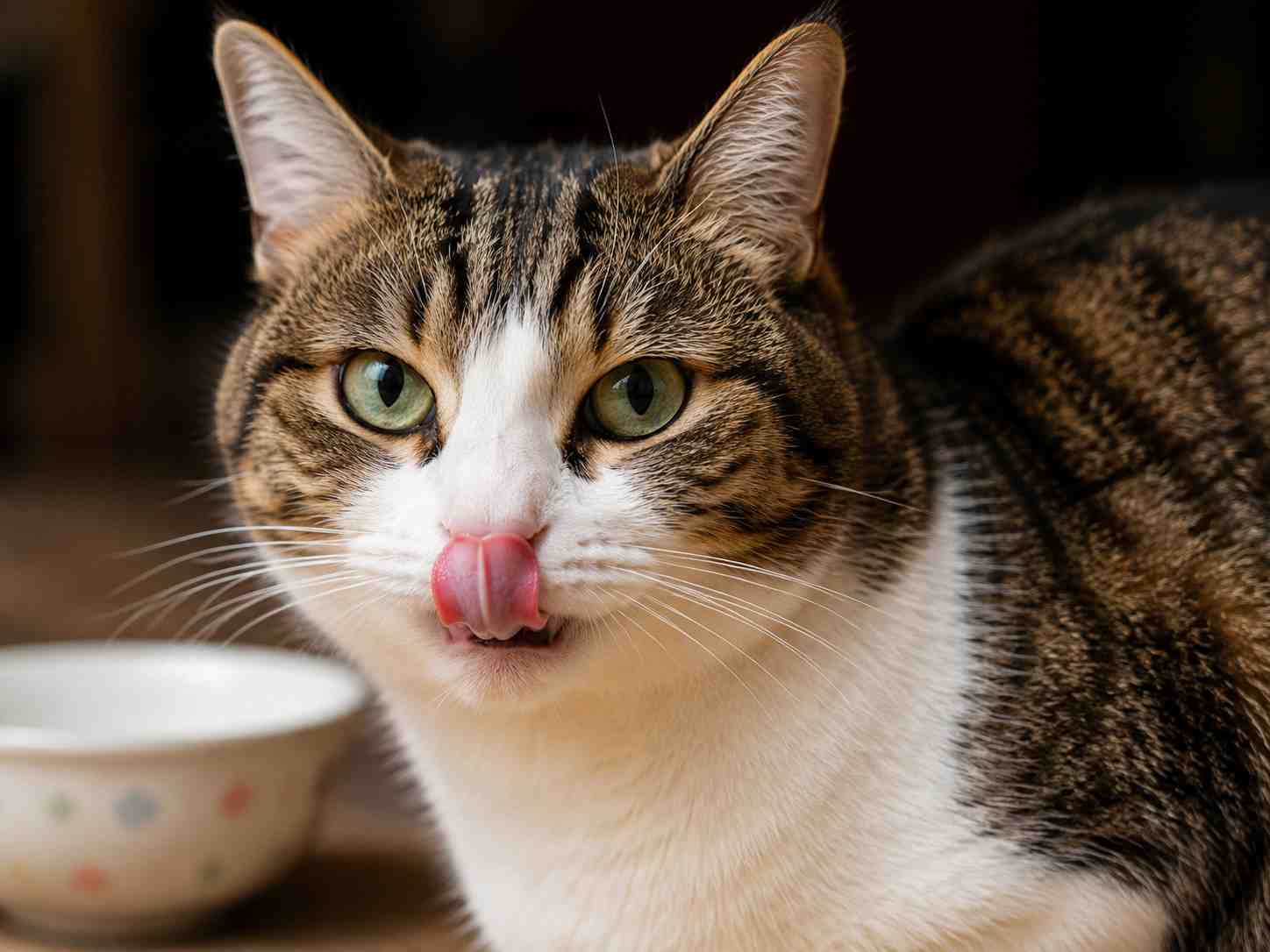
If your cat is constantly scratching, dealing with digestive issues, or showing signs of irritated skin, food allergies may be one possible cause. While many cat owners assume that switching foods will quickly solve these problems, identifying the right diet is often more complicated. Symptoms such as itching, vomiting, diarrhea, ear irritation, and excessive grooming can be linked to food sensitivities, environmental allergies, or other health conditions.
Hypoallergenic cat food is designed to reduce exposure to ingredients that commonly trigger allergic reactions in cats. These diets may use novel proteins, hydrolyzed proteins, or limited ingredient formulas to help support cats with suspected food allergies or sensitive stomachs. However, not every food labeled “hypoallergenic” is the same, and choosing the right option depends on your cat’s dietary history, symptoms, and nutritional needs.
What Is Hypoallergenic Cat Food?
Hypoallergenic cat food is a diet that reduces the risk of allergic reactions caused by certain ingredients. It is commonly used for cats with suspected food allergies, food sensitivities, skin problems, or digestive issues. These diets typically avoid common allergens and may use specialized approaches such as novel proteins, hydrolyzed proteins, or limited ingredient formulas.
While many products are marketed as hypoallergenic, the term itself is not a regulated medical definition. The effectiveness of a diet depends on its ingredients and whether it matches a cat’s specific dietary needs and allergy triggers.
Signs Your Cat May Need a Hypoallergenic Diet
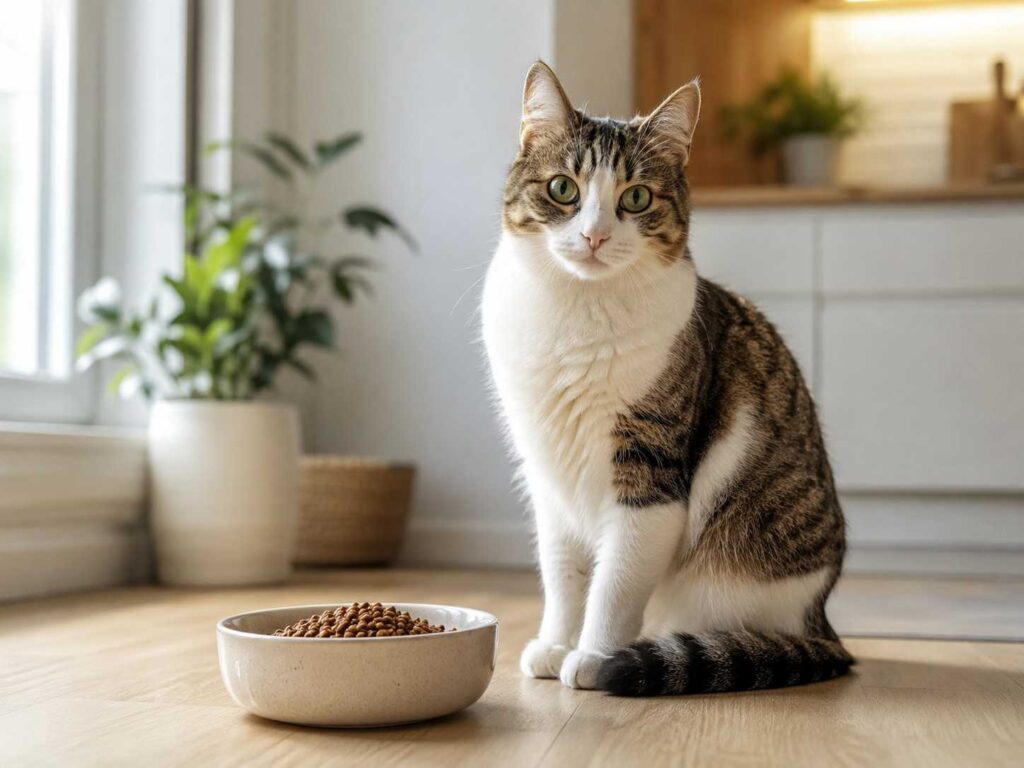
Cats’ food allergies can show up in many different ways, and the early signs are often mistaken for other skin or health problems. This is why many cat owners do not immediately connect their cat’s discomfort with food.
The most noticeable symptoms usually appear on the skin. Cats may start scratching constantly, licking their body more than usual, or over grooming certain areas. Over time, this can lead to hair loss, thinning fur, or visible irritation on the skin.
Digestive problems are also common in cats with food sensitivities. Some cats may experience vomiting, diarrhea, gas, or an overall sensitive stomach that seems to worsen after meals.
In some cases, the signs develop slowly over time. A cat may eat the same food for months or even years before showing any reaction, which makes the exact trigger harder to identify.
These symptoms are not exclusive to food allergies. Parasites, infections, and environmental allergies can cause very similar issues, which is why a proper diagnosis is important before making any dietary changes.
Food Allergy vs Food Intolerance in Cats
Food allergies and food intolerances are often confused because they can cause similar symptoms such as vomiting, diarrhea, skin irritation, and excessive grooming. However, the main difference lies in how the cat’s body reacts. A food allergy involves the immune system, where the body mistakenly identifies a specific ingredient as harmful and triggers an allergic response even if the ingredient is normally safe. Protein sources like chicken, beef, fish, and dairy are among the most common triggers of food allergies in cats.
A food intolerance, on the other hand, does not involve the immune system. It occurs when a cat has difficulty digesting or processing a certain ingredient, which leads to stomach discomfort or digestive upset. Unlike allergies, intolerances can be linked to a wider range of ingredients and are often harder to identify. Since both conditions can cause similar symptoms, it is not possible to distinguish them based on signs alone, and a proper diagnosis may require dietary observation or a veterinary guided elimination diet.
Common Ingredients That Trigger Food Allergies in Cats
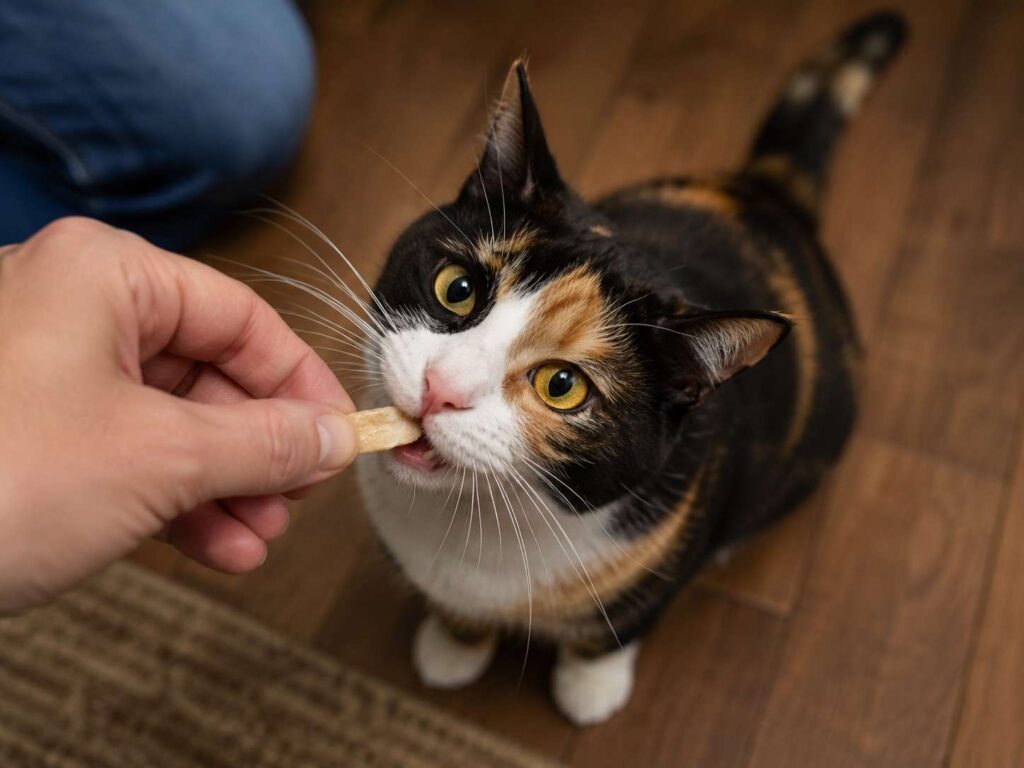
Food allergies in cats can develop to almost any ingredient, but certain foods are more commonly linked with reactions. Animal based proteins such as chicken, beef, fish, and dairy are the most frequent triggers because they are widely used in everyday cat food and are consumed over long periods.
Chicken is especially common since it appears in many regular formulas, while beef and fish can also trigger reactions even in cats that previously tolerated them. Some cats may also react to dairy products due to difficulty digesting milk components.
Less commonly, ingredients like eggs, wheat, and soy may contribute to food sensitivities, but these are generally reported less often compared to animal proteins.
The challenge with food allergies is that symptoms often develop slowly. A cat may tolerate an ingredient for months or even years before signs such as itching, skin irritation, or digestive issues begin to appear. Because reactions vary from cat to cat, reading the ingredient list alone is not always enough. A complete dietary history is often needed to identify the actual trigger and choose the right hypoallergenic diet.
Types of Hypoallergenic Cat Food
Not all hypoallergenic cat food works the same way. Different diets are designed to reduce allergic reactions using different approaches, and the best option depends on a cat’s dietary history, symptoms, and individual needs.
Most hypoallergenic diets fall into three main categories: novel protein diets, hydrolyzed protein diets, and limited ingredient diets. Each type is intended to reduce exposure to ingredients that may trigger food allergies while still providing complete and balanced nutrition.
Novel Protein Diets
A novel protein diet uses a protein source that a cat has never eaten before. Since food allergies usually develop after repeated exposure to the same ingredient, introducing a completely new protein may help reduce allergic reactions.
Common novel proteins include rabbit, duck, venison, and kangaroo. These ingredients are less commonly used in standard cat foods, which means many cats are unlikely to have been exposed to them before.
Hydrolyzed Protein Diets
Hydrolyzed protein diets contain proteins that have been broken down into very small fragments. These fragments are so small that the cat’s immune system is less likely to recognize them as allergens, which helps reduce the chance of an allergic reaction.
Because of this, cats can often consume these proteins without triggering the same immune response that occurs with whole or intact protein sources. These diets are commonly used in veterinary guided elimination trials and are often recommended for cats with confirmed or severe food allergies. They are also produced under controlled manufacturing conditions to reduce the risk of cross-contamination with other ingredients.
Limited Ingredient Diets
Limited ingredient diets are formulated with fewer ingredients than traditional cat food. Most contain a single protein source and a limited number of additional ingredients, making it easier to identify potential food triggers. These diets can be helpful for cats with food sensitivities because they simplify the ingredient list and reduce exposure to unnecessary additives.
However, a limited ingredient diet is not automatically a novel protein diet. A food may contain fewer ingredients while still including proteins that a cat has eaten before. For this reason, it is important to review the ingredient list carefully when selecting a hypoallergenic diet.
Is Grain Free Cat Food the Same as Hypoallergenic?
Many cat owners believe that grain free cat food is automatically hypoallergenic, but this is not true. While some hypoallergenic diets may also be grain free, simply removing grains does not make a food suitable for cats with food allergies.
Most food allergies in cats are caused by proteins such as chicken, beef, fish, and dairy, rather than grains. This means a grain free diet can still trigger allergic reactions if it contains the actual ingredient your cat is sensitive to. Because of this, switching to grain free cat food does not always improve symptoms. In most cases, the real problem is not grains but the protein source.
Grain free diets may still be useful in specific situations, especially if a cat has a confirmed sensitivity to grains or if a veterinarian recommends it as part of a structured diet plan. Instead of focusing only on whether a food is grain free, it is more important to identify the exact ingredient causing the reaction and choose a diet such as a novel protein, hydrolyzed protein, or limited ingredient formula.
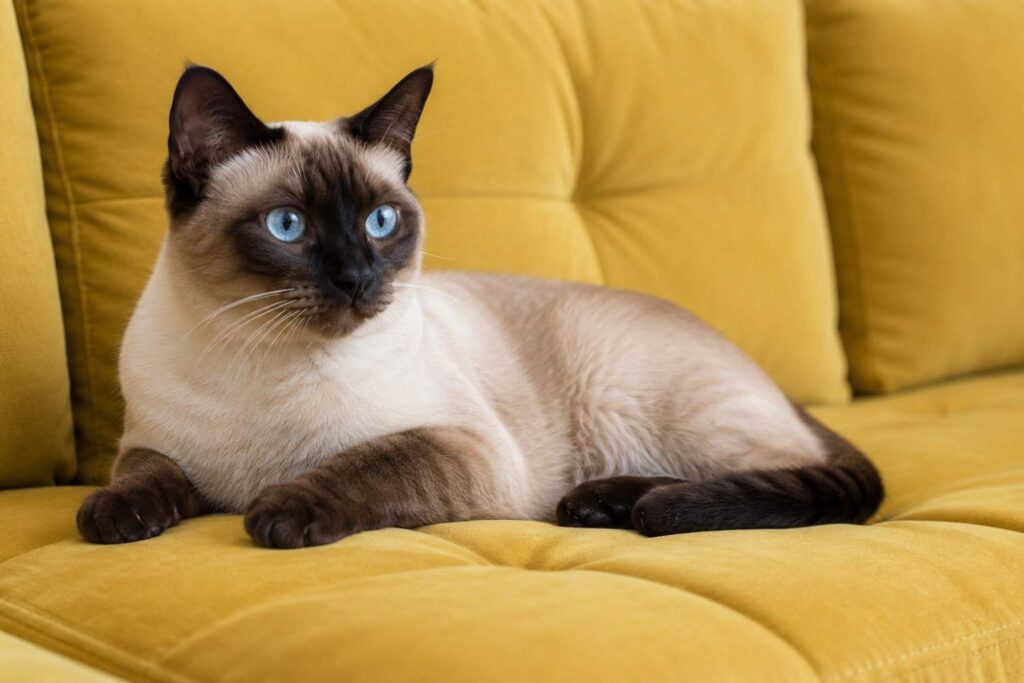
Some cat breeds may also react differently to allergens, such as in the case of Are Siamese cats hypoallergenic, which is often misunderstood by pet owners.
How to Choose the Right Hypoallergenic Cat Food
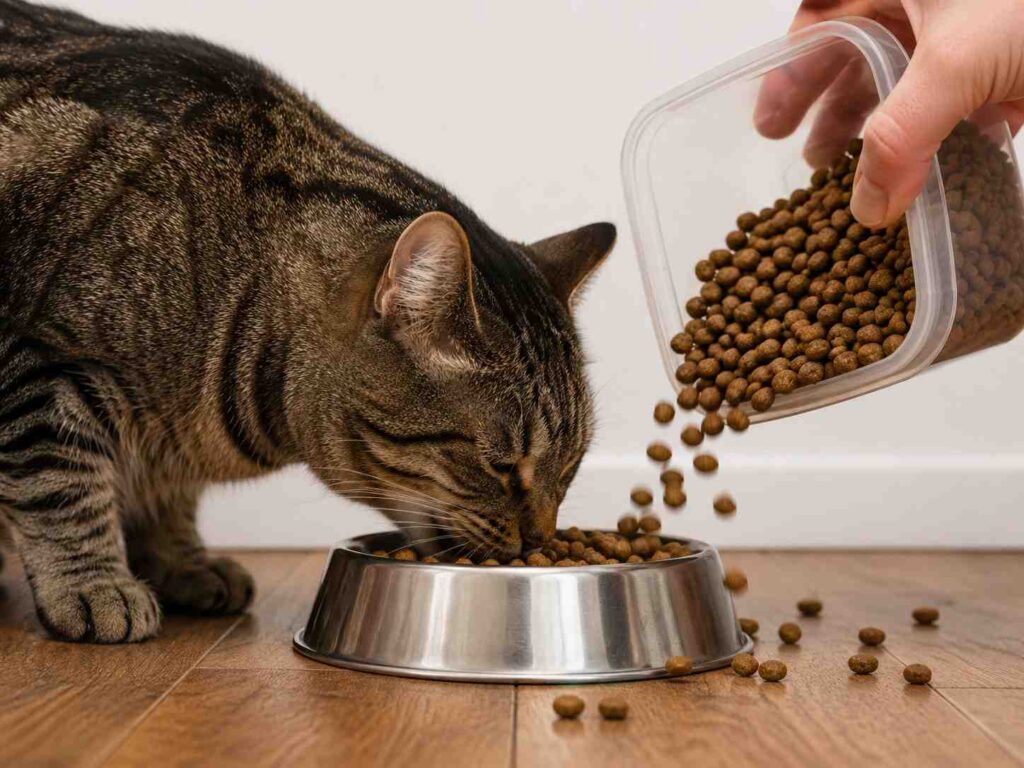
Choosing the right hypoallergenic cat food is easier when you focus on a few key points instead of marketing claims.
Check the protein source
- Avoid proteins your cat has eaten before (like chicken or beef)
- Prefer novel proteins like rabbit, duck, venison
- Or choose hydrolyzed protein diets if allergies are severe
Read the ingredient list (not just the label)
- Look for clear, simple ingredients
- Avoid vague terms like “meat by-products” or “natural flavors”
- Check the full formula, not just the front packaging claims
Support skin health
- Look for Omega 3 and Omega 6 fatty acids
- Helps reduce itching, dryness, and coat problems
Support digestion (if needed)
- Ingredients like probiotics, prebiotics, or fiber can help
- Useful for cats with sensitive stomachs
Keep the formula simple
- Fewer ingredients = easier to track reactions
- Avoid artificial colors, flavors, and preservatives
The best hypoallergenic food is not the one with the best marketing, it is the one that matches your cat’s history, ingredients, and sensitivity level.
How to Switch Your Cat to a New Diet
Changing your cat’s food too quickly can lead to digestive upset and make it harder to determine whether the new diet is working. A gradual transition gives your cat time to adjust while reducing the risk of stomach problems.
Most veterinarians recommend introducing a new food over a period of 7 to 10 days. This approach helps your cat become familiar with the new diet and allows you to monitor any changes in symptoms.
A common transition schedule looks like this:
- Days 1 – 2: 75% old food and 25% new food
- Days 3 – 4: 50% old food and 50% new food
- Days 5 – 6: 25% old food and 75% new food
- Days 7 – 10: 100% new food
Some cats adjust quickly, while others need more time. If your cat shows digestive issues or hesitation, slowing down the transition usually helps.
Conclusion
Not every cat that shows itching, vomiting, or digestive issues actually needs a hypoallergenic diet, but when food is the real trigger, the right diet can make a clear difference in comfort and health.
The key is not to rely on the “hypoallergenic” label alone, but to focus on what actually matters: the protein source, ingredient quality, and how your cat responds over time. In many cases, success comes from carefully matching the diet to your cat’s history rather than switching foods randomly.With the right approach and patience during the transition period, many cats with food sensitivities can experience noticeable improvements in skin condition, digestion, and overall behavior, leading to a healthier and more comfortable daily life.
Ella Freya
Ella Freya is a passionate pet writer focused on helping pet parents create healthier, happier lives for their furry companions. Her work combines caring storytelling with practical pet advice that feels easy to understand and genuinely useful.
Ella creates content around pet wellness, behavior, nutrition, and everyday care, always with the goal of making life better for both pets and the people who love them. She believes the smallest moments with pets often become the most meaningful ones.