Are Siamese Cats Hypoallergenic? The Facts for Allergy Sufferers
Published on: May 24, 2026

Written By
Ella Freya

Reviewed By
Jason Roy
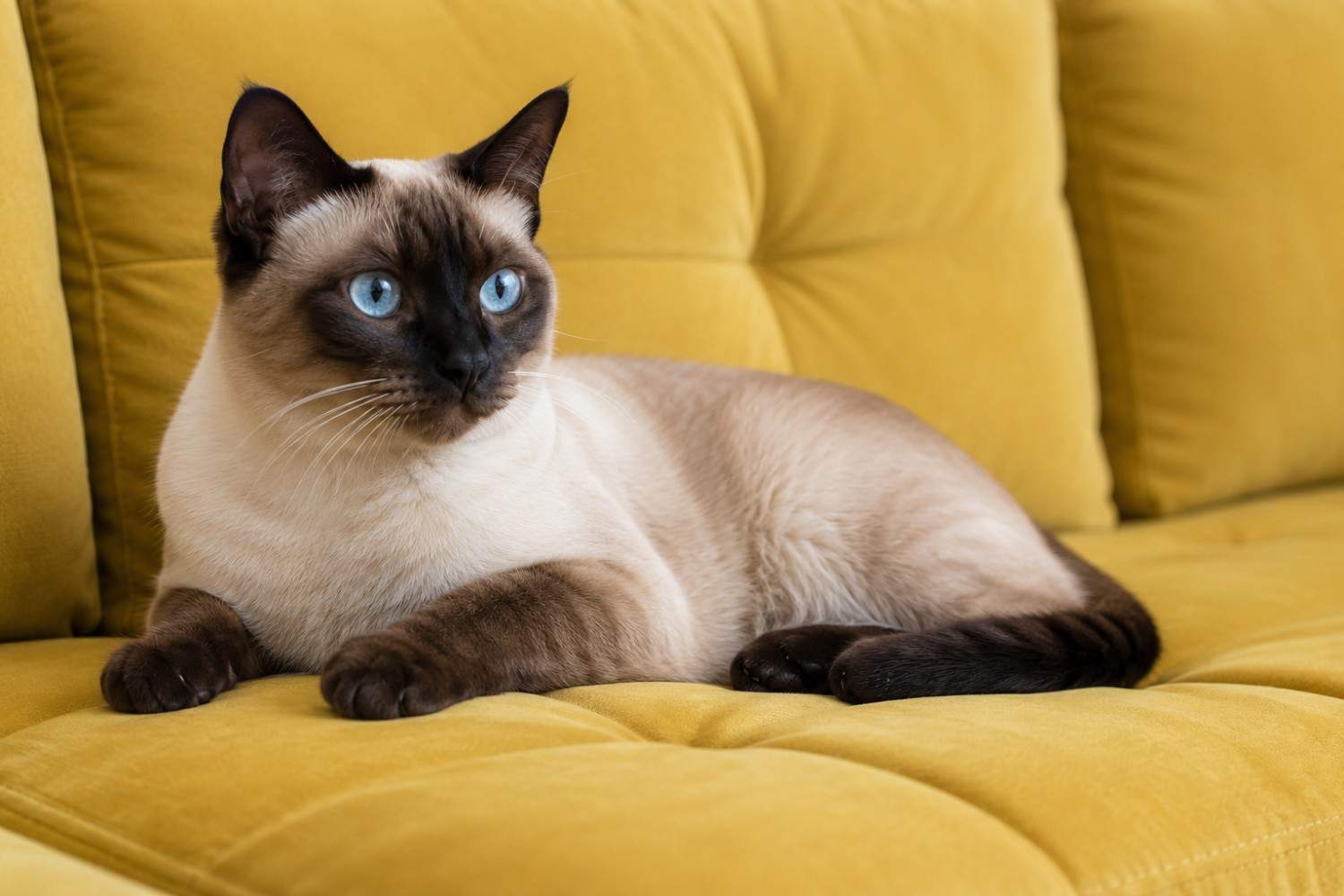
If you’ve ever been around a Siamese cat, you already know the pull. They’re gorgeous, they talk back, they follow you from room to room like a shadow, and they curl up on your lap like it’s their full time job. Siamese cats are genuinely one of the most affectionate, personality packed breeds out there. It’s no surprise people fall hard for them.
But here’s where things get complicated for a lot of cat lovers. Allergies. You start sneezing. Your eyes water. You wonder if a Siamese cat is off the table for you entirely, or if maybe, just maybe, you’ve heard right that they’re ‘hypoallergenic.’
What Causes Cat Allergies? (It’s Not What Most People Think)
Most people assume they’re allergic to cat fur. That’s the big misconception. And it matters, because if you’re making pet decisions based on it, you might be looking at the wrong thing entirely.
The real culprit is a protein. It’s called Fel d 1, and it’s produced in a cat’s sebaceous glands, those are the oil producing glands in their skin. From there, it shows up in their saliva, urine, tears, mucous, and dander. Every single cat produces it. And between 80 to 95% of people with cat allergies are reacting specifically to Fel d 1, not fur.
So Where Does the Fur Come In?
When a cat grooms itself, which is constantly, its Fel d 1 loaded saliva coats every strand of fur. As that fur sheds, the protein travels with it. It lands on your couch, your clothes, your carpet, and yes, it floats through the air you’re breathing. So fur isn’t the allergen. Fur is the delivery system.
That’s also why hairless cats aren’t the allergy free solution people hope for. A Sphynx still has skin, still produces saliva, and still releases Fel d 1. Less fur in the picture doesn’t mean less protein in the air.
Key Fact: No cat breed is 100% hypoallergenic. Every cat produces Fel d 1, regardless of breed, coat length, or how much they shed. The difference between breeds comes down to how much of this protein they produce and how much fur they shed to spread it around.
The Siamese Cat: What Makes Their Coat Different
Siamese cats have what’s called a single layer coat. It’s short, it’s fine, and it lays tight to the body. Unlike double coated breeds that drop hair constantly, Siamese cats shed mostly during seasonal transitions, typically twice a year. Outside of those windows, shedding is pretty minimal compared to a lot of other cats.
And yes, that matters for allergy sufferers. Plain and simple, less fur floating around your home means fewer allergen coated hairs landing on everything you own. It’s not a cure. But it’s a real, practical difference.
The flip side? Siamese cats are extremely affectionate. They love being on your lap, next to your face, and, if you let them, on your pillow at night. So even though they shed less, their tendency to be physically close to you means direct skin and saliva contact is higher than with a more standoffish breed. That matters too.
The Gender Factor Nobody Mentions
Here’s what most people miss when picking a Siamese. Male cats, especially unneutered ones, produce significantly more Fel d 1 than females. If you’re managing allergies and you’re serious about making this work, a spayed female Siamese is your lowest risk option within the breed. Small detail. Big difference.
Quick tip: If you’re grooming your Siamese yourself, do it outdoors. Siamese fur is so fine it goes airborne immediately. Better yet, have a non allergic family member handle brushing while you run a HEPA air purifier in the room.
Are Siamese Cats Hypoallergenic?
Short answer: no. Not technically. But the full answer is more useful than just ‘no.’
What the Science Actually Says
Multiple veterinary sources and breed studies point to Siamese cats as producing lower levels of Fel d 1 compared to many other breeds. Combined with their minimal shedding, this means there’s simply less allergen circulating in the home environment of a Siamese owner compared to, say, someone with a Maine Coon or a Persian.
For context, some breeds, particularly Siberians and Balinese cats, have been shown through genetic studies to produce notably low amounts of Fel d 1. Balinese cats are basically the long haired Siamese cousin, and they actually rank among the lower allergen breeds. If your allergy sensitivity is higher, it’s worth knowing the Balinese exists.
For Siamese specifically, the consensus is this: they’re not among the lowest Fel d 1 producers, but they’re far from the worst. And the short, low shedding coat means fewer allergen particles spread through your living space. That combination is why they’ve built a reputation as a more manageable option for people with mild cat allergies.
‘No cat is truly hypoallergenic, but two cats of the same breed can still affect your allergies very differently. Individual variation is real, and the only reliable test is spending actual time with a specific cat before you adopt.’
And honestly? That’s the most important sentence in this whole article. Don’t trust the label. Trust your own reaction.
Breed Comparison: Siamese vs. Other ‘Allergy Friendly’ Cats
You’ve probably seen a handful of breeds marketed as hypoallergenic. Here’s the honest breakdown so you can actually compare.
| Breed | Coat Type | Shedding | Fel d 1 Level | Notes |
| Balinese | Long, silky | Low | Very Low | Long haired Siamese. Best documented low Fel d 1 producer. Great personality match. |
| Siberian | Thick, triple | Moderate–High | Low | Sheds a lot but produces less Fel d 1. Counterintuitive but true. |
| Russian Blue | Dense, short | Low | Low | Minimal shedding and lower allergen output. Quieter personality than Siamese. |
| Siamese | Fine, short, single layer | Low–Moderate | Below Average | Lower Fel d 1 than many breeds. Seasonal shedding. Affectionate and close contact breed. |
| Bengal | Sleek, short | Low | Average | Low shedding but average protein production. Active, not a lap cat. |
| Devon Rex | Curly, thin | Very Low | Average | Minimal shedding. Still produces standard allergen levels in saliva and skin. |
| Sphynx | Hairless | None | Average–High | No fur doesn’t mean safe. Fel d 1 is in skin and saliva, and direct contact is unavoidable. |
If you’re set on a Siamese personality but need the best allergy odds, the Balinese is the smarter pick. If you want to stay with Siamese, go female, go spayed, and go prepared.
Managing Allergies at Home: What Actually Works
So you’ve decided you want a Siamese cat. Good. Now here’s the practical side, because wanting a cat and surviving life with one when you have allergies takes a real plan. Not vague advice. A real one.
Daily and Weekly Cleaning Habits
- Vacuum every 2–3 days with a HEPA filter vacuum.
A regular vacuum just sends fine particles back into the air. Sealed HEPA vacuums trap them. Hard floors are easier to manage than carpet, keep rugs minimal in the rooms your cat uses most. - Run a HEPA air purifier in the main rooms.
Put it where your cat spends the most time and run it continuously. Change the filter on schedule. This one step alone makes a measurable difference for mild allergy sufferers. - Wash bedding weekly in hot water.
Use mattress and pillow encasements. Allergens embed in fabric fast. Hot water (130°F/54°C or above) actually breaks Fel d 1 down. Warm water doesn’t cut it the same way. - Keep the bedroom strictly cat free.
You sleep 7 – 8 hours a night. That’s 7 – 8 hours your immune system is either recovering or getting constantly triggered. Draw the line here and hold it. Every single night. - Wash your hands every time after petting.
Simple, but most people forget. You pet the cat and then touch your eyes or nose without thinking. That’s a direct delivery of Fel d 1 straight to your most reactive areas.
Grooming Your Siamese the Right Way
Regular brushing removes dead fur and loose dander before it spreads through your home. Do it outside, not inside. Wear a disposable mask if you’re the one doing it, or ask someone non allergic to handle it. Allergen neutralizing pet wipes used two to three times a week between brushings also genuinely reduce the surface load on their coat.
Bathing your Siamese once a week can cut airborne allergens significantly. Start while they’re kittens so they get used to it. Siamese cats are smart, they adapt, even if they let you know exactly how they feel about bath time.
Diet, Vaccines, and Medical Options
Here’s something most people don’t know about: Purina LiveClear, a cat food formula that contains a specific egg based protein designed to neutralize in the cat’s saliva before it spreads. Studies have shown it can reduce active allergen levels by around 47% after about three weeks. It doesn’t work for every cat or every person, but it’s a real, tested option worth knowing about.
On the medical side, antihistamines like loratadine help manage symptoms for a lot of mild allergy sufferers. And if you’re serious about long term coexistence, talk to an allergist about immunotherapy. Allergy shots gradually reduce your immune system’s overreaction to Fel d 1 over time. It’s a commitment. But it’s the closest thing to a lasting solution that actually exists.
Pro Move: Before you adopt any cat, spend at least one to two hours in an enclosed space with that specific animal. Don’t take antihistamines beforehand, you want an honest read. Wait 24 hours and see how your body responds. No breed label, no article, and no well meaning advice replaces this test.
Should You Get a Siamese? Here’s How to Decide
Go For It
- Your allergies are mild (sneezing, runny nose)
- You’ve tolerated other cats before
- You’re ready to follow a daily management routine
- The bedroom stays permanently cat free
- You’ve spent time with a Siamese and your body handled it
- You’re open to antihistamines or immunotherapy if needed
Think Twice First
- Even short exposure to cats causes serious symptoms
- You have cat triggered asthma
- Airborne exposure alone triggers reactions
- You live in a small, poorly ventilated space
- You’re not prepared to manage this consistently
- You haven’t spent real time with a Siamese yet
Conclusion
Siamese cats are not hypoallergenic. But for a lot of allergy sufferers, especially those with mild symptoms, they’re one of the more manageable breeds out there. Lower Fel d 1 production, a short single layer coat, and seasonal only shedding all work in your favor compared to many other cats.
That said, no breed label, article, or breeder’s promise will tell you more than your own body will. The real test is time spent with an actual Siamese before you commit. Get around one. See what happens. Give it 24 hours. That’s the only data point that actually matters for your situation.
Siamese cats are worth it if you go in smart. So go in smart.
Ella Freya
Ella Freya is a passionate pet writer focused on helping pet parents create healthier, happier lives for their furry companions. Her work combines caring storytelling with practical pet advice that feels easy to understand and genuinely useful.
Ella creates content around pet wellness, behavior, nutrition, and everyday care, always with the goal of making life better for both pets and the people who love them. She believes the smallest moments with pets often become the most meaningful ones.