Are Ragdoll Cats Hypoallergenic or Is It Just a Myth?
Published on: June 2, 2026

Written By
Ella Freya

Reviewed By
Jason Roy
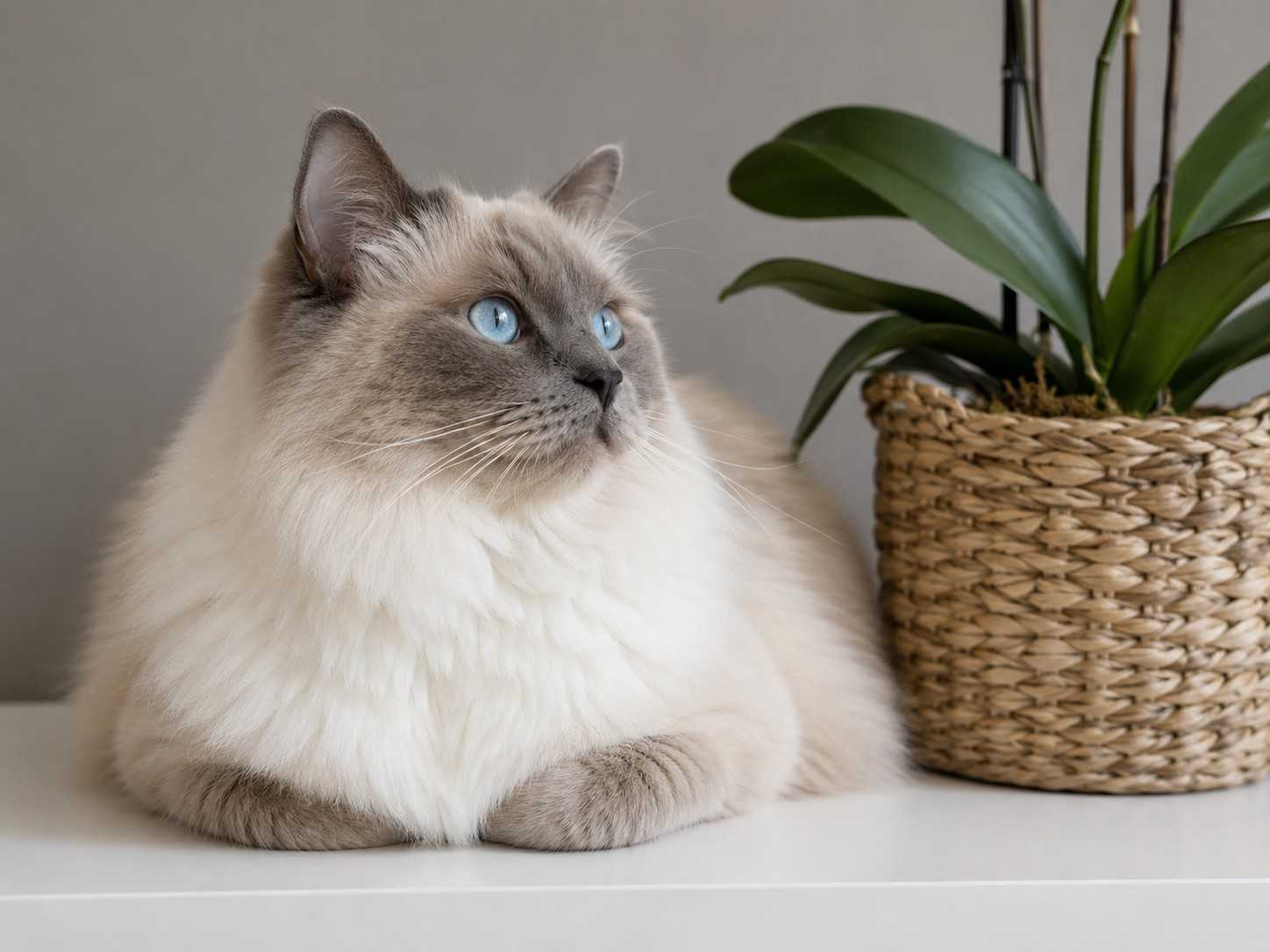
Ragdoll cats are known for their beautiful blue eyes, soft coats, and friendly personalities. They are one of the most popular cat breeds in the world because they are calm, affectionate, and love spending time with their owners. However, many people who love this breed often ask one important question: are Ragdoll cats hypoallergenic?
If you have allergies and are thinking about getting a Ragdoll cat, it’s important to understand what causes cat allergies and whether this breed may be easier to live with than others. In this article, we’ll explain what causes cat allergies, whether Ragdoll cats produce the Fel d 1 protein, why they are sometimes called allergy-friendly cats, and what you can do to reduce allergens in your home before bringing a Ragdoll cat into your family.
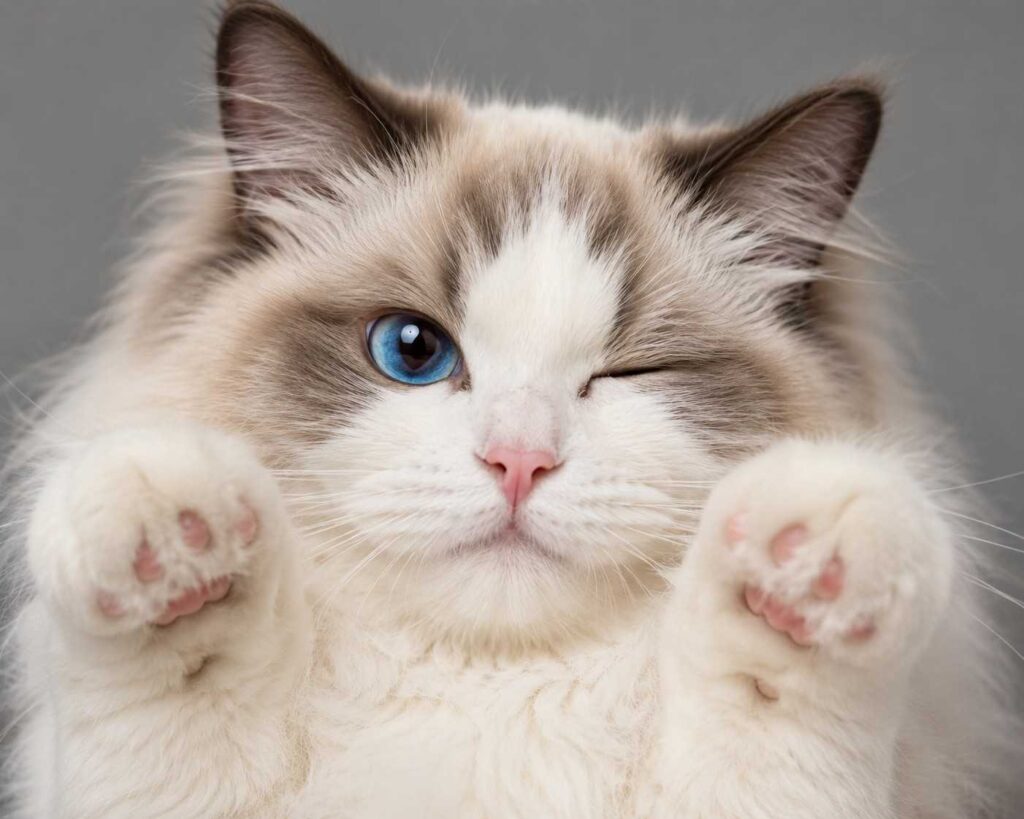
Are Ragdoll Cats Hypoallergenic?
No, Ragdoll cats are not hypoallergenic because they still produce the Fel d 1 protein responsible for most cat allergies. This protein is found in a cat’s saliva, skin oils, and dander, and it can trigger allergy symptoms such as sneezing, itchy eyes, and a runny nose in sensitive people.
That said, many cat owners find Ragdolls easier to live with than some other breeds. Unlike many long-haired cats, Ragdolls do not have a thick undercoat, which means they generally shed less and release fewer loose hairs into the home. Their calm personality may also help reduce the spread of dander compared to more active breeds.
While these traits can make Ragdolls seem more allergy-friendly, they do not eliminate allergens. If you have cat allergies, spending time with a Ragdoll before adoption is the best way to see how your body reacts.
What Causes Allergies to Ragdoll Cats?
Many people think cat fur is the main cause of allergies, but that’s not entirely true. The real problem is a protein called Fel d 1, which is produced in a cat’s saliva and skin glands. Like all cats, Ragdoll cats also produce this protein.
The allergy process usually starts when a cat grooms itself. As a Ragdoll licks its fur, saliva containing Fel d 1 spreads across the coat. When the saliva dries, tiny particles of the protein remain on the fur and skin. These particles can then become attached to loose hair and dander.
Dander consists of tiny flakes of dead skin that cats naturally shed. Because dander is lightweight, it can easily spread through the air and settle on furniture, carpets, bedding, and clothing. When a person with cat allergies breathes in or comes into contact with these particles, allergy symptoms may appear.
The main sources of cat allergens include:
- Saliva left on the coat during grooming
- Dander (dead skin flakes)
- Skin oils that contain Fel d 1
- Shed hair carrying allergen particles
This is why even cats that shed less, including Ragdolls, can still trigger allergic reactions in sensitive individuals.
Signs You May Be Allergic to Cats
Cat allergy symptoms can range from mild to severe, depending on your sensitivity to allergens such as the Fel d 1 protein. Some people notice symptoms within minutes of being around a cat, while others may develop reactions after longer exposure. If you’re considering a Ragdoll cat and have a history of allergies, it’s important to watch for common signs.
Common symptoms of cat allergies include:
- Sneezing or frequent coughing
- A runny or stuffy nose
- Itchy, red, or watery eyes
- Wheezing or shortness of breath
- Skin irritation, rashes, or hives after contact with a cat
- Itchy throat or postnasal drip
- Increased allergy or asthma symptoms
If these symptoms appear whenever you’re around cats, you may have a cat allergy. A healthcare professional or allergist can help confirm the cause and recommend the best treatment options.
Why Do Some People Think Ragdolls Are Hypoallergenic?
If Ragdoll cats are not hypoallergenic, why do so many people believe they are? The answer comes down to a few unique traits that may make them easier to live with than some other cat breeds.
One reason is that Ragdolls do not have a thick undercoat. Many long-haired cats have a dense undercoat that sheds heavily and releases large amounts of hair and dander into the home. Ragdolls have a silky single coat, which generally produces less loose fur and is less likely to mat.
Another factor is shedding. While Ragdoll cats do shed, many owners find that they shed less than other long-haired breeds. Less shedding can mean fewer allergen-covered hairs around the house, which may reduce exposure for some allergy sufferers. However, it’s important to remember that lower shedding does not mean lower allergen production.
Their calm temperament may also play a role. Ragdoll cats are known for being relaxed, gentle, and less active than many other cats. Because they spend less time running, jumping, and stirring up dust, dander, and loose fur, allergens may not spread around the home as easily.
These traits can make Ragdoll cats seem more allergy-friendly, especially for people with mild sensitivities. However, they still produce the Fel d 1 protein that causes most cat allergies, which is why they cannot be considered truly hypoallergenic.
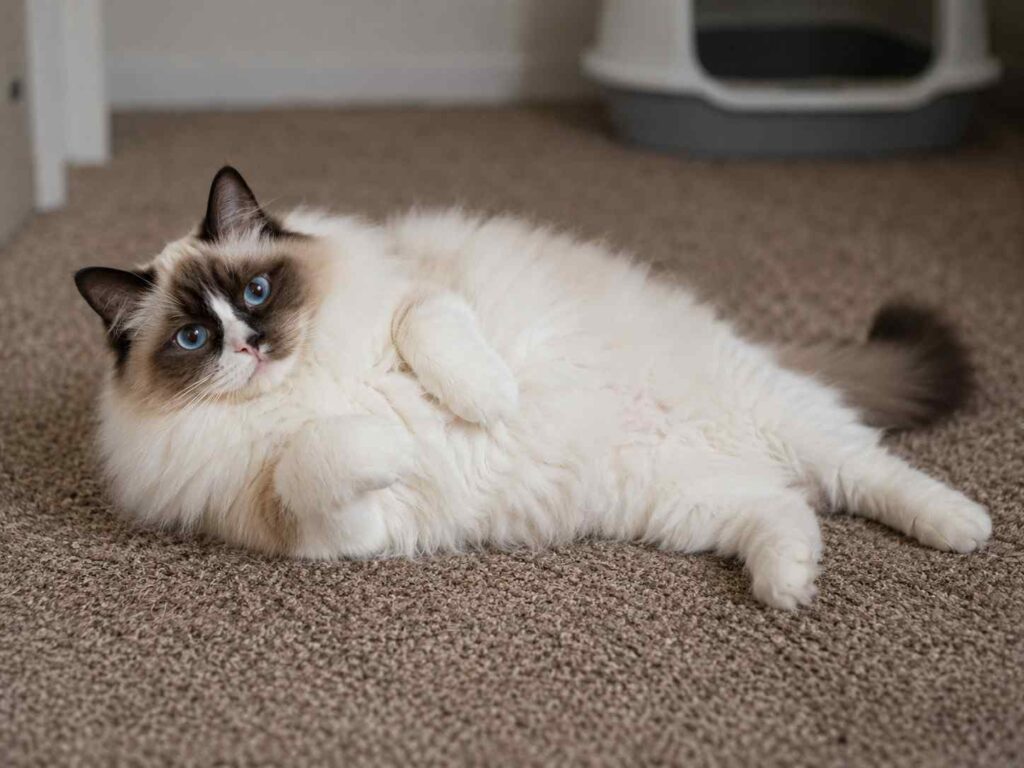
Are Ragdoll Cats Better for Allergy Sufferers?
The answer depends on how severe your allergies are. While Ragdoll cats are not hypoallergenic, some people find them easier to live with than other breeds because of their lower shedding and calm nature.
For people with mild cat allergies, a Ragdoll may be a good option. Many owners report fewer allergy symptoms compared to living with other long-haired cats. Regular grooming, cleaning, and air filtration can also help reduce allergen exposure.
If you have moderate allergies, the situation is less predictable. Some people can comfortably live with a Ragdoll, while others still experience symptoms. Spending time with a Ragdoll before adoption is one of the best ways to see how your body reacts.
For those with severe cat allergies or asthma, extra caution is important. Even though Ragdolls may spread fewer allergens than some breeds, they still produce the Fel d 1 protein that triggers allergic reactions. In these cases, it’s a good idea to visit a breeder, rescue, or friend who owns a Ragdoll and spend at least an hour around the cat before making a decision.
Every person’s allergy response is different, so testing your reaction to a specific cat is often more helpful than relying on breed reputation alone.
How to Reduce Allergies When Living With a Ragdoll
If you love Ragdoll cats but struggle with allergies, there are several steps you can take to reduce allergen exposure in your home. While these methods won’t eliminate allergens completely, they can make living with a cat much more comfortable for many people.
Here are some practical ways to reduce cat allergies:
- Brush your Ragdoll regularly: Regular grooming helps remove loose hair and dander before they spread around your home. If possible, have a non-allergic family member handle grooming.
- Use HEPA air purifiers: HEPA filters can capture airborne dander and other allergen particles, helping improve indoor air quality.
- Vacuum frequently: Use a vacuum with a HEPA filter on carpets, rugs, furniture, and other areas where pet hair tends to collect.
- Keep your bedroom cat-free: Creating at least one allergen-free room gives your body a place to recover from daily exposure, especially while sleeping.
- Wash your hands after handling your cat: This simple habit helps prevent allergens from being transferred to your face, eyes, and nose.
- Consider allergen-reducing cat food: Products such as Purina Pro Plan LiveClear contain ingredients designed to reduce active Fel d 1 allergens on a cat’s hair and dander over time.
- Diet can also play a role in allergy management. Learn more in our guide to hypoallergenic cat food, including the different types available and how to choose the right option for your cat.
Combining several of these strategies usually works better than relying on just one. For many allergy sufferers, a good cleaning routine and proper allergen management can make a noticeable difference.
Ragdoll vs Other Allergy-Friendly Cat Breeds
| Breed | Hypoallergenic | Shedding | Allergy-Friendly |
| Ragdoll | No | Moderate | Moderate |
| Siberian | No | Moderate | Good |
| Balinese | No | Low | Good |
| Devon Rex | No | Low | Good |
| Sphynx | No | Very Low | Mixed |
No cat breed is completely hypoallergenic, but some breeds are often better tolerated by allergy sufferers than others. While Ragdolls can be a good choice for people with mild allergies, breeds such as the Siberian, Balinese, and Devon Rex are often considered more allergy-friendly because they may spread fewer allergens.
The best breed for you ultimately depends on your individual sensitivity. Whenever possible, spend time with a specific cat before adoption to see how your body reacts.
If you’re looking for other cat breeds that may be easier to live with, you can also read our guide on Are Siamese Cats Hypoallergenic?, where we explain how Siamese cats compare to other breeds when it comes to allergies.
Final Verdict
Ragdoll cats are not hypoallergenic because they still produce the Fel d 1 protein that causes most cat allergies. However, their lack of a thick undercoat, moderate shedding, and calm temperament can make them easier to live with than many other cat breeds.
For people with mild allergies, a Ragdoll may be a manageable choice with proper grooming and allergen control. Those with moderate allergies may have mixed experiences, while people with severe allergies or asthma should be especially cautious.
Before adopting a Ragdoll, try to spend time with the cat first to see how your body reacts. Every cat and every allergy sufferer is different, so personal experience is often the best guide when making your decision.
Ella Freya
Ella Freya is a passionate pet writer focused on helping pet parents create healthier, happier lives for their furry companions. Her work combines caring storytelling with practical pet advice that feels easy to understand and genuinely useful.
Ella creates content around pet wellness, behavior, nutrition, and everyday care, always with the goal of making life better for both pets and the people who love them. She believes the smallest moments with pets often become the most meaningful ones.